Diagnosis
I was diagnosed with Inattentive ADHD earlier this year. It was a busy day in March, my son was in hospital and I had quickly met with my doctor online (after the assessment period) and he confirmed what I already knew. My head was in a bit of a tizz with everything going on for my son and I don’t think I was really processing my own news.
I had to pop into work to get something done and as I walked in, I was met with my managers. I blurted out the news of my diagnosis and how things were at the hospital. Later that week, my manager emailed saying we should talk about what reasonable adjustments I might need in the light of my diagnosis. At that time, I don’t think I had adjusted to the news and didn’t know what to ask for.
Coming to terms with things
I suppose it’s only in recent months I am coming to terms with it, and how my brain works. Here’s an example:
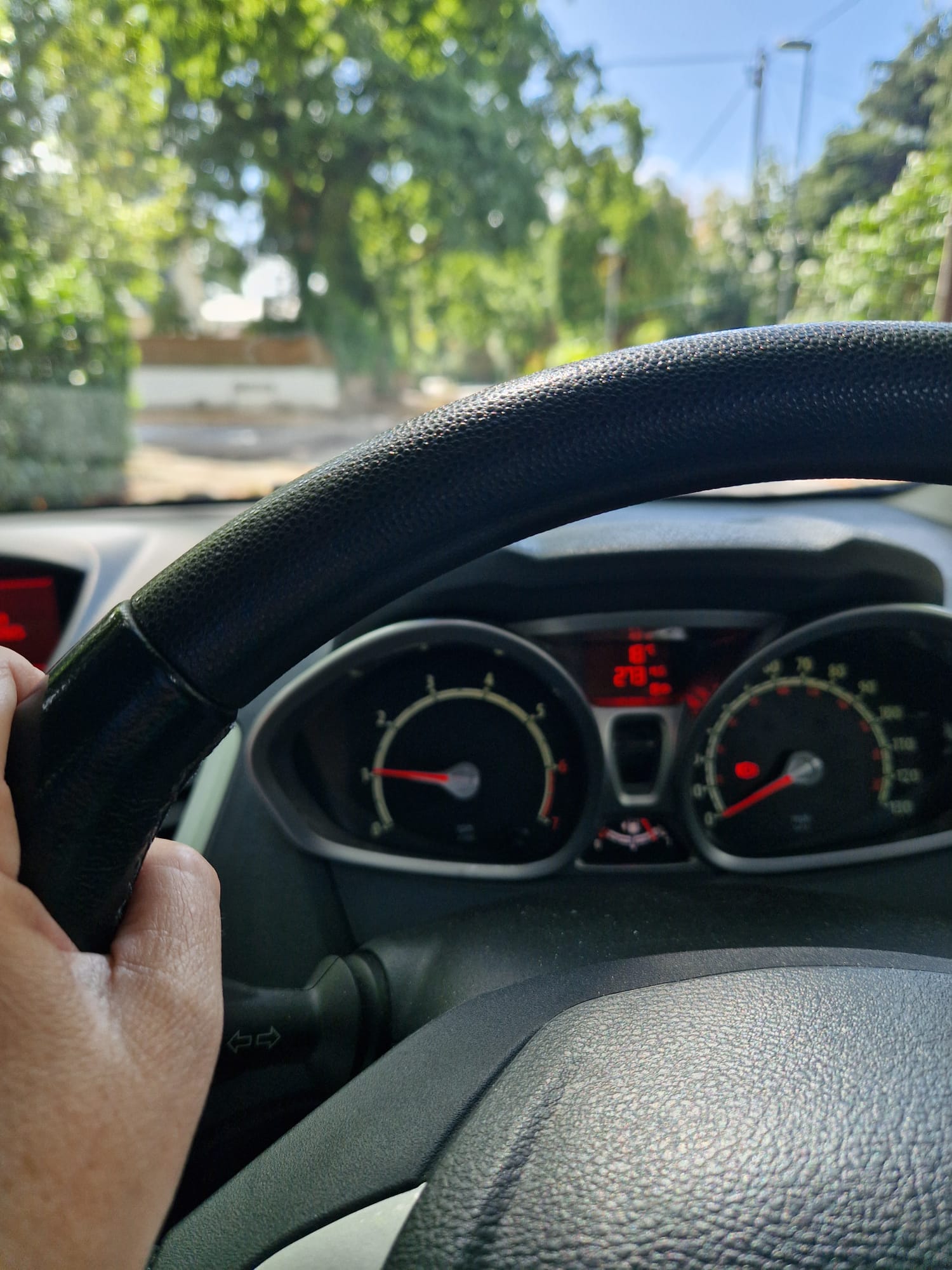
I LOVE to travel and explore new places. I can drive which is great, but one thing that I struggle with is motorways. Having had near panic attacks on one a couple of times, I now avoid driving on them. Which is fine, there are plenty of other roads up and down the country, but obviously big trips take much longer. I have also struggled on some of our busier dual carriageways, particularly unfamiliar ones.
Sensory overwhelm
One thing that I now recognise is part of being neurodivergent is how my senses can impact me. So in addition to a busy road, sensory issues such as noise in the car (music or my family chatting), feeling too hot or a strange smell outside can trigger me. My growing self -awareness and acceptance of how my brain works means I can recognise these and take steps to adjust things in order to manage.
Making adjustments
This week I’ve invested in a new app for my phone which allows me to take routes I’m happy with, and a road map (yes an old school one!) to help me plan longer journeys. The app is already helping me, and yes the routes often take longer, but it’s enabling me to get from a to b safely and with less stress which is hugely important.
I’ve made some reasonable adjustments for myself and I am hugely grateful to my very patient family for bearing with me as I work this stuff out! I think I am also getting better at figuring out what I need in situations and then advocating for myself to ask for it. But…it’s a learning curve and something I am working on as I make peace with not always being able to do things the same way other people do.
Mentoring
Which makes me reflect on some of the people I support and have supported. Many of them are neurodivergent too. A flexible mentoring approach, and often walking alongside people for a long period of time, as they grow in self awareness, has in many cases been really successful. I focus on building a trusting and supportive relationship with people, and make it clear the agenda for our sessions is theirs, although I’m happy to share things that have helped me on my journey if it’s asked for. I’m excited about opportunities for supporting some new young people in the Cheltenham area this month.
Training
Reasonable adjustments is also something we cover in the inclusion training I help to deliver. The longer I am part of the training team, the more my understanding of this is growing. I am glad to be able to support activities for children and young people in Gloucestershire becoming more inclusive generally, and particularly for disabled and neurodivergent young people. I am also appreciative of the impact this training is having on me as I work towards improving my own practice as a youth worker.
Ali Kirkwood 28/8/25
 Hope Mentoring