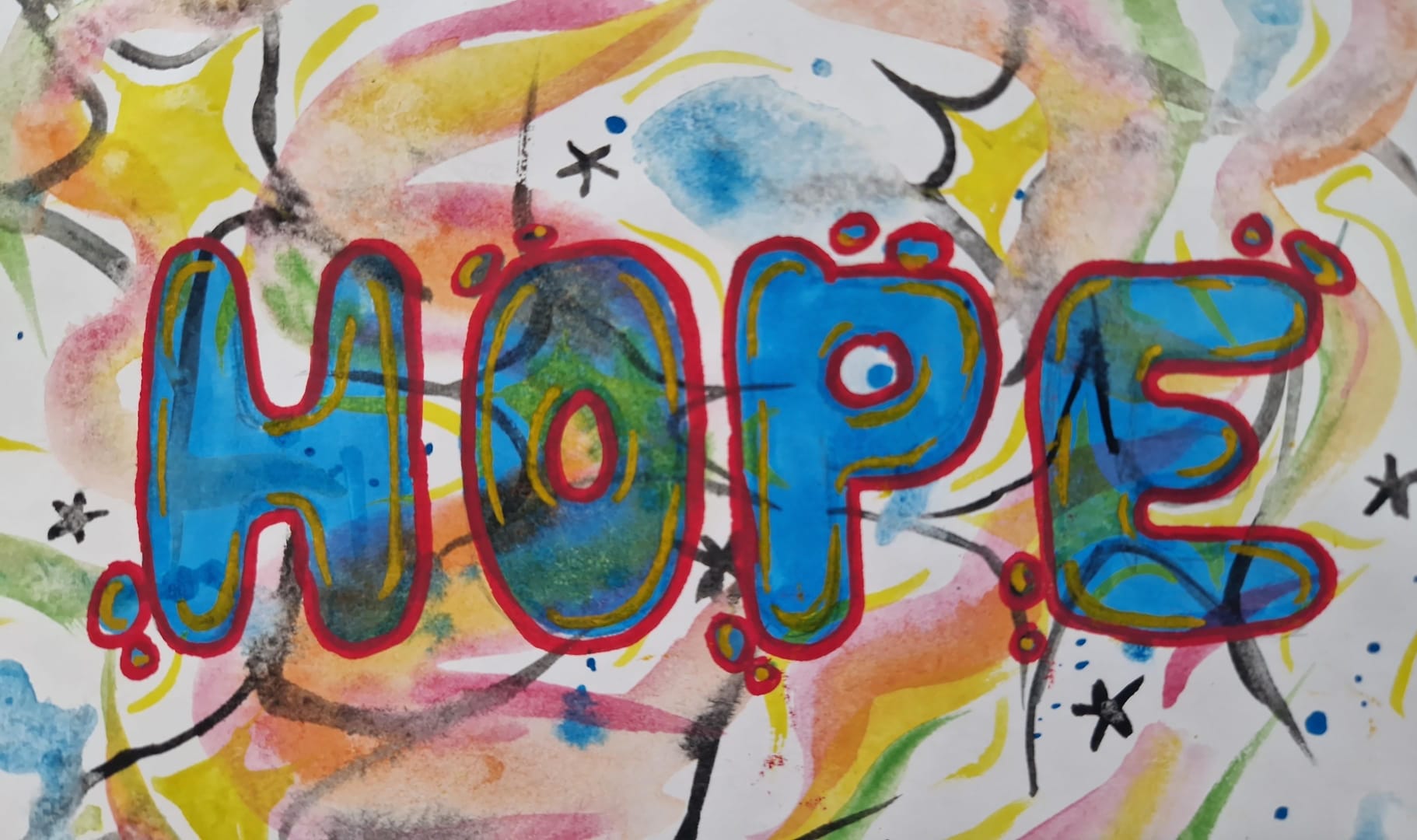
Included
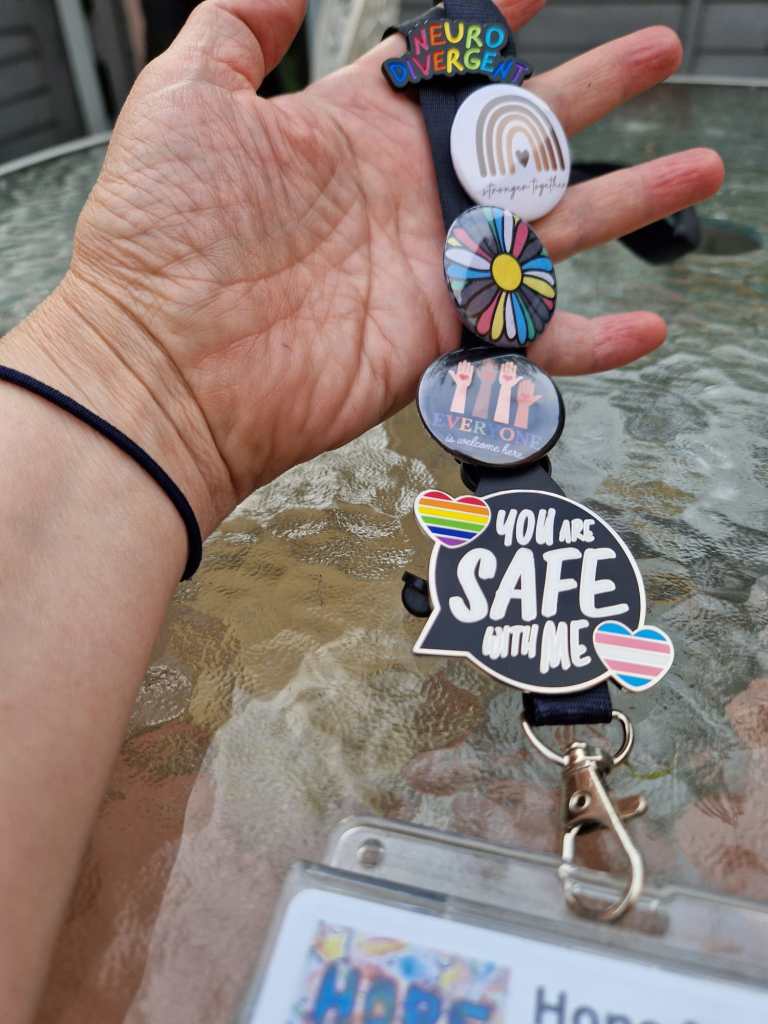
It’s National Inclusion Week in the UK and I’ve been reflecting on what inclusion means for me as an individual and a youth worker.
Troubled
Currently in the UK, things are feeling troubled. There is a lot of worrying noise in the media. In the last month or so, flags have been springing up on lampposts, there have been protests outside of hotels housing asylum seekers, and a large protest in London this weekend wanting to ‘Unite the Kingdom’. In the last week, a prominent American was shot at a university, and the video of his shooting was all over the internet. Some of the young people I work with (age 12-16) saw it. International news, especially the situation for minority groups is increasingly worrying. The news headlines, and the subsequent reactions to them on social media, are hard to stomach.
There is a lot of noise (and has been for months) about anyone who is perceived to be different. Whether that’s someone seeking asylum, a person of colour, a disabled person, or a member of the LGBTQIA+ community.
Here in the UK, the disabled community seem to have been targeted by those in power. From proposed changes to PIP and changes with other benefits, with EHCPs being targeted as something that needs to be changed when the quest to get the right support is already a huge battle.
There has also been a lot of noise about gender following the Supreme court ruling about the legal definition of a woman. The media have delivered us polarised views about who can participate in sport, and who can use which toilets for example. This has been a hard time for those who identify as a gender different to the one they were classified at birth.
Diversity
Our country is a diverse place, however diversity without respectful communication, has the capacity to create conflict. And this seems to be where we are now, or at least how our media would have us think we are. If we focus on all of that (which let’s face it comes on top of everything we are dealing with in our personal lives) it can become overwhelming, which sometimes leads to feelings of powerlessness.
I am grateful for the spaces in our local communities where inclusion is practiced and difference is valued. Where we co-exist with people and treat each other with respect, there is room for growth.
Processing
Last week, I woke up to the news of the shooting of a prominent American, I have to confess I hadn’t heard of him till then, but suddenly my social media was filled with people mourning his loss, or rejoicing he was gone or somewhere in between. But the more shocking thing was that the algorithms also showed me a video of his death, in graphic detail. Later in the day, as I processed the news with some fellow youth workers, one of them told me about a Ukrainian woman who had been stabbed on a train. Before I had the opportunity to look it up, the graphic video of her death was also presented to me on my phone.
Honestly, my head was spinning, but I realised I needed to process what I’d seen in order to be able to hold space for my own young adults, but also those who I would be working with that evening and in the coming days and who may want to talk about what they had heard about or worse, seen.
I’m so thankful for those youth workers who helped me to process my feelings and get to the point where I realised that my responsibility in this was not to provide answers, but to hold a space for the young people I support. To be emotionally present. To recognise that they too may be troubled by events and might need a safe person to process things with.
Obviously there has been space for gentle challenge where the views expressed have been inappropriate. But conversation, in the context of established relationships allows for that. Because of previous conversations, we have an understanding of the young people we’re working with and their world view.
As I write this, I appreciate that there will be youth workers, working in very different contexts to me. Perhaps with young people in communities where the majority feel hate because of their skin colour, their religion or culture or perhaps with those who are growing up in families where hate and distrust is encouraged.
What does inclusion look like in youth work?
So with all of that in mind, in this current season, what should our youth spaces look like?
Accessing youth work needs to be safe for young people, both physically and emotionally.
For that statement to be true for all young people, we need to create an environment which is accessible, and to remove barriers to access where they exist.
- We need to prioritise building trust. Relationships are key to good youth work.
- We should recognise our context, and the impact of the current season on the particular individuals and groups that we support.
- Building based youth work needs to be in buildings with good disabled access as a minimum.
- Our spaces need to be inclusive and welcoming.
- We should seek to make reasonable adjustments for those who want to access our spaces but currently can’t.
- We do and should continue to provide opportunities for hope and connection.
- We should think about the information that’s available about what we offer in advance of someone coming, and talk about accessibility on our website, flyers etc so people who want to use the service know what to expect.
- We should seek to build relationships with parents and families. If a barrier to a young person accessing the project is that they need their parents near, we should try and allow a space for that, as long as it is safe to do so, and risk assess for the specific set of circumstances we find ourselves in.
Dignity and respect
As I write this, I want to recognise that as a white woman of a certain age, I have societal privilege. I also realise I am on a journey. Circumstances in my own life have led me to unlearn and relearn some things, but I’m not a finished product and I want to stay open to learning.
I am so grateful for those I live with and those I work with who journey alongside me and allow me space to learn and grow.
So if there’s anything I’ve written that grates with you, please let’s have a coffee and a chat.
In the meantime, I will endeavour to treat those around me, and those I work with dignity and respect. And where I can, I will try and use my voice for good. And where things are difficult, I will try and hold hope that together, we can build a better tomorrow.
Acknowledgements
I’m grateful for my colleagues in Active Impact who regularly challenge my thinking around inclusion for disabled people, and for Frontier Youth Trust who are always open to a discussion, and actively try to model inclusion in the church. I’m also thankful for training I’ve recently been on around Cultural Intelligence (The Children’s Society/Prabhaav Global) and Transforming youth work with disabled young people (National Youth Agency). I’m also grateful for my TCS colleagues and the growing and learning we are doing together. And most of all, I am thankful for the young people I work with and their families who let me journey alongside them.
Ali Kirkwood 20/9/25
 Hope Mentoring